What Is Better for Learning Rust in 2026, Watching Solo Menace Raids or Grinding Servers Yourself
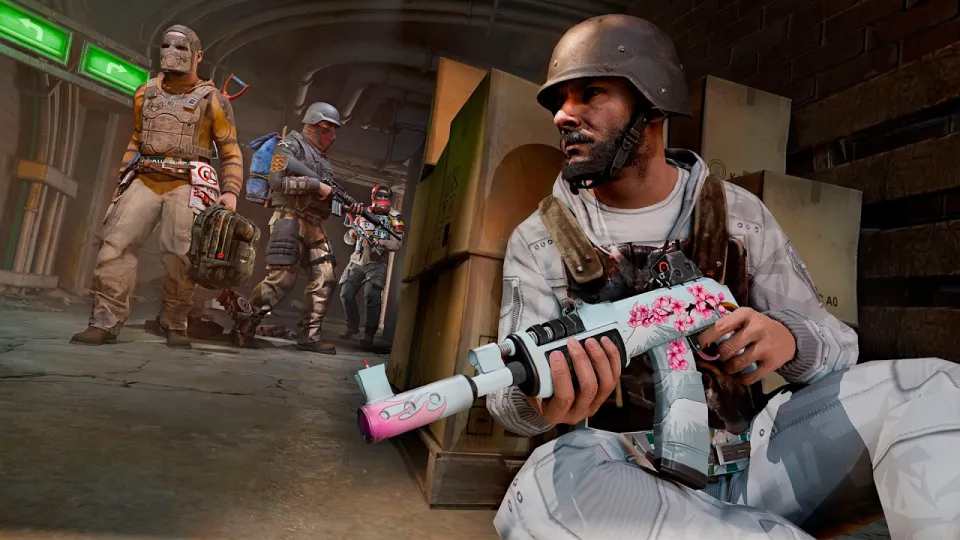
Video: THE SOLO MENACE – Rust
You can order the same kind of articles for your own video to boost it on YouTube and Google. Just message the Telegram bot @sat_sit_bot. Articles with your video embedded are written and posted by the bot itself — on popular topical sites (no ads). Your first 50 articles are free.
· based on the channel SPiiCY
Key takeaways
- SPiiCY published the solo menace Rust video on 24 August 2026, a full solo run rather than a clan or zerg perspective.
- The run is built around revenge raiding: getting raided, rebuilding and hitting back at the offenders.
- Base design is treated as a core skill, with a dedicated tutorial offered through the creator's Patreon membership.
- RustEasy is the promoted bonus site linked in the video, and Hypertune is the FPS tool the creator credits for smoother PvP.
- Solo Rust progression on high-population servers depends on raid windows, farm efficiency and knowing when to log off.
Rust is better learned by copying the decision-making of a solo player than by grinding blindly on a high-pop server, because a solo run forces you to plan every raid, every base upgrade and every logout. SPiiCY's solo menace run is exactly that kind of case study: one player, no clan backup, and a constant cycle of getting raided, rebuilding and hitting back. If you want the tools shown alongside that playstyle, the RustEasy bonus page is the starting point.
What makes a solo menace run different from clan Rust
A solo menace run is a test of discipline, not of raw aim, because there is nobody to cover your farm, your doors or your retreat. In a zerg or clan, mistakes are absorbed by numbers: someone else finishes the raid, someone else rebuilds the base, someone else keeps the loot. Alone, every death is a full reset of your gear, and every raid you start has to be one you can finish in a single trip.
The practical difference shows up in three places:
- Raid selection. A solo player picks targets by door count and expected loot density, not by who annoyed them most.
- Farm timing. Sulfur and metal farming happens in short, low-traffic windows, usually early morning or late night server time.
- Base footprint. Smaller bases with more layers and fewer obvious entrances survive longer than large showpiece builds.
The "menace" label in the title is not about being aggressive for its own sake. It is about being annoying enough to be worth raiding and slippery enough to make that raid expensive, which is the core loop of solo survival on a populated server.
Revenge raiding and base design as the two core skills
Revenge raiding is the most reliable progression path for a solo player, because the attackers already told you where they live and usually leave a trail of bags, boxes and half-broken walls. After a wipe, most solo players lose their first base and then quit. The better response is to treat the loss as free intelligence: note the direction of the raid, the gear the attackers used and the time of day they hit.
Base design matters just as much, and it is the part most solo players under-invest in. SPiiCY points viewers toward a base design tutorial through the Patreon membership, and the video's own build is the demonstration. The principles that make a solo base work are consistent:
- Multiple loot rooms so a single breach does not end the wipe.
- Upkeep you can actually afford after a bad day of farming.
- A cheap outer layer that costs raiders more explosives than it costs you to rebuild.
- No obvious roof access, since solo bases are usually hit from above first.
A trap base or a deliberately ugly design is a legitimate strategy here. Raiders skip bases that look poor and target bases that look rich, so visual deception is cheaper than extra armored walls.
How solo progression actually works on a high-population server
Solo progression on a crowded server is a race against raid windows, and the players who progress fastest are the ones who understand when not to be online. On a server with several hundred players, roaming is constant and quiet farming is rare, which is why many viewers ask how streamers find fights so easily. The answer is usually route knowledge: monuments, roads and recycler spots that generate traffic at predictable times.
A workable solo progression order for a fresh wipe looks like this:
- First hour: starter base, sleeping bag, furnace, and a workbench you can afford to lose.
- First day: secure scrap for blueprints, prioritising the ones that unlock raiding tools.
- Second day: upgrade the core to sheet metal and spread loot across two rooms.
- Third day onward: raid for profit rather than for revenge, and only when you have enough explosives for the full job.
The revenge raid comes after that foundation is stable, not before. Hitting back with a satchel charge and no backup plan is how solo runs end.
The tools and settings behind smooth solo PvP
Performance is a competitive advantage in Rust, and it is the least glamorous part of any solo run. SPiiCY credits Hypertune, available through the Hypertune link, for better FPS, and viewers regularly report that the tool roughly doubled their frame rate. Higher, more stable FPS matters most in close-range fights, where recoil control and hit registration are decided in fractions of a second.
Beyond FPS, a solo player's setup should include:
- A sensitivity you can reproduce after a break, not one tuned in a single session.
- Keybinds for building and healing that do not require looking at the keyboard.
- A graphics preset that keeps foliage and shadow detail low enough to spot movement at range.
- A stable connection, because a solo player cannot afford to trade packets in a 1v2.
Recoil changes and update patches shift the meta regularly, so any settings guide should be revisited after each major patch rather than copied once and forgotten.
Questions solo players ask most often
The most common doubts around solo Rust are about fairness and consistency, and they are reasonable. Viewers ask how creators find constant fights, how they recover after losing a base, and whether a solo player can ever beat a group. The honest answer is that solo Rust is not balanced, but it is predictable: groups move slowly, announce themselves with noise and leave loot in obvious places.
A few practical answers that come up again and again:
- Fight frequency: streamers play on high-pop servers and deliberately roam hot routes, so their encounter rate is higher than an average player's.
- Recovery after a raid: keep a stash base or a hidden box cluster away from your main base, and rebuild before you seek revenge.
- Group fights: solo players win by isolating one member at a time, using terrain and doors, and never fighting in the open.
- Base secrecy: a small base in a quiet corner beats a large base near a monument, even if it holds less loot.
All the links from the video
Every resource mentioned in the solo menace run is collected here so you do not have to scrub through the description:
- RustEasy bonus and registration: https://rseasy.com/spiicy
- Base design tutorials and Patreon membership: https://www.patreon.com/c/spiicyrust/membership
- Alternative Patreon join link: https://www.patreon.com/join/spiicyrust
- Hypertune FPS tool: https://hptn.gg/spiicy
- Community Discord: http://discord.gg/HZjW3RYMGA
Final take on the solo menace playstyle
Solo Rust rewards patience and information over raw aggression, and the menace label is really about making yourself expensive to raid. The strongest habits to take from SPiiCY's run are revenge raiding with a plan, spreading loot across a base you can afford to maintain, and squeezing every frame out of your setup before blaming the fight on luck. The video breakdown comes from the SPiiCY channel, which focuses on solo PvP, raid defence and base design rather than clan content. If you want to follow the same path, start with the RustEasy bonus page and pair it with a base design you can rebuild in an hour.
Source: THE SOLO MENACE – Rust · Markdown version
Questions & answers
Can a solo player really compete in Rust against clans and zergs?
Yes, but not by fighting them head-on. Solo players compete by picking isolated targets, raiding for profit instead of pride, and keeping bases cheap enough to rebuild after a loss. Groups are slower and louder, which creates openings for a patient solo player.
How do streamers find so many fights on a 600-pop server?
They deliberately roam high-traffic routes such as monuments, roads and recycler locations at peak hours, and they replay the same routes repeatedly. The average player farms in quiet corners, so the encounter rate feels completely different even on the same server.
What should I do after my base gets raided as a solo?
Rebuild first, take revenge second. Note which direction the raiders came from, keep a hidden stash of backup gear away from your main base, and only start a revenge raid once you have enough explosives to finish it in one trip.
Does FPS really matter in Rust PvP?
It matters more than most players expect, especially in close-range fights where recoil control and hit registration are decided in fractions of a second. Tools like Hypertune are popular because a stable frame rate makes your aim reproducible from fight to fight.